


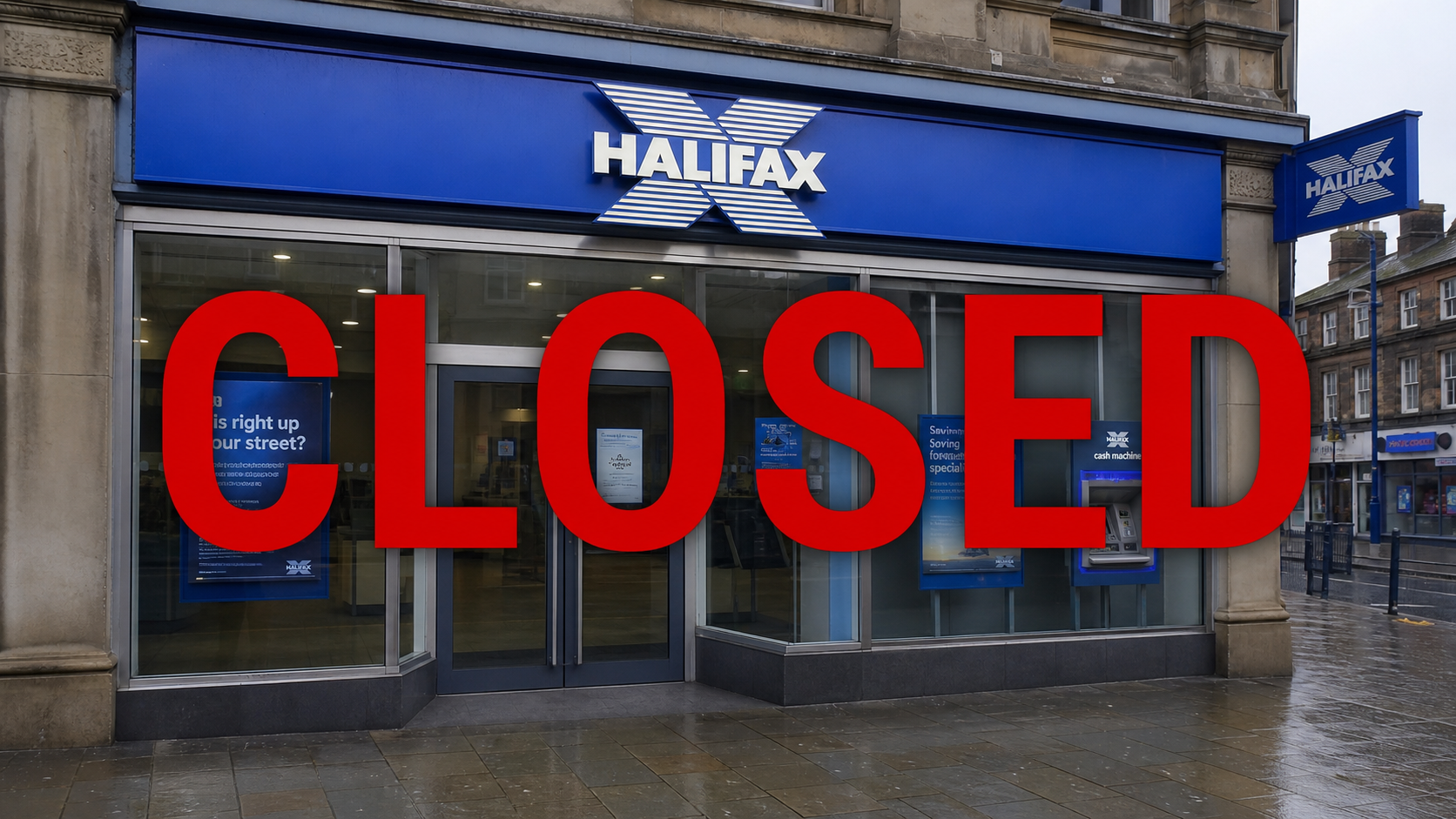
We still talk about going to the bank as if it means something – as if there’s still a person there who knows your business, understands your history, and can make a decision.
But of course that person – the bank manager – disappeared years ago.
There was a time when they actually managed risk. They knew their patch and which businesses were solid, which ones needed support or a bit of breathing room and although their decisions weren’t perfect, they were informed by the context of what they personally knew.
That model doesn’t exist anymore.
Today, what most businesses are dealing with isn’t a bank manager – it’s a product salesperson with a screen. They don’t decide, they input into a computer and the decision sits somewhere else, with someone else, and is wrapped in policy, credit models and centralised risk teams who’ve never met the borrower.
It’s one of the biggest reasons SMEs struggle to access sensible finance. I still hear business owners say, ‘The bank knows us, we’ve been with them for years.’ But loyalty doesn’t carry much weight when the person, you’re speaking to has no discretion. They can tell you what products exist and which one actually fits your situation.
Even worse banks have narrowed their focus as each team only covers a slice of the market. Each product has its own box and if you don’t fit cleanly into one of those boxes, the answer is usually no – even if the business itself is fundamentally sound. I’ve seen businesses turning over a couple of million being offered overdrafts that wouldn’t touch the sides. Not because the bank thinks they’re a bad risk, but because that’s the limit of what that particular product team is allowed to do.
That’s not relationship banking – it’s rationing. And it’s not really the fault of the individuals you speak to because system is designed that way. Decision-making has been pulled upwards and centralised. Risk appetite is set nationally, and local knowledge has been stripped out.
The irony is that, at the same time, banks are telling SMEs they need to be more flexible, more resilient, more adaptable. But the funding structures available to them have become less flexible than ever. When something doesn’t quite fit – irregular cash flow, seasonal swings, rapid growth, a change in ownership – the system struggles. Not because the business is doing something wrong, but because it’s behaving like a real business rather than a textbook example.
That’s where the gap has opened up between how businesses actually operate and how traditional lenders now assess them. This is why more and more business owners end up frustrated. They feel like they’re being judged by people who don’t understand what they do, and in many cases, that’s exactly what’s happening. What’s replaced the old bank manager isn’t another human with judgement – it’s a process. And processes don’t ask follow-up questions and don’t listen – they don’t say, ‘I get why that looks odd.’ They just say no.
This is also why independent finance brokers have become more important – a good broker isn’t trying to replace the bank, they’re trying to navigate around the limitations banks now have. They understand which lenders still take a view, which ones will listen to an explanation, and which ones are purely transactional. They know where discretion still exists – because it does still exist, just not where it used to.
More importantly, they act as a translator. They take a real business story and present it in a way that lenders can actually engage with, rather than letting it get flattened by a system that wasn’t designed for nuance.
The local bank manager isn’t coming back – that era has well and truly gone, but the need for judgement and proper conversations hasn’t. The mistake is pretending the old model still exists – and wondering why it keeps letting good businesses down.